
Aletheia coaching, explained
How unfolding works
Parts work, the body and presence, in plain words
Book a free callAt its heart is one question: what if nothing is missing?
Most self-help starts from what’s wrong with you and tries to fix it.
Aletheia starts from the idea that you’re already whole and have lost contact with parts of yourself, and that what you meet without trying to change it can change by itself.
In practice it brings three things together: the parts of you that pull in different directions, what you feel in your body while we talk, and the steadier states underneath, like calm or courage. To this I add movement, from my years with the Feldenkrais Method.
Want to see what this looks like in practice?
See what a session looks like →
The four depths
Aletheia describes four layers of the work. We don’t go through them in order; we go wherever the session leads.
Parts
Most of us know the feeling of being of two minds, when one part wants to quit the job and another is terrified of that. Here we get to know these parts one by one, what each of them wants and what each is afraid of. We don’t try to get rid of any of them, because each of them has its reasons.
Process
While we talk, we also pay attention to what’s happening in your body, such as a tightness, some heat or an urge to move. Following it often leads somewhere that talking alone wouldn’t reach.
Presence
Sometimes, when the parts relax, something steadier shows up, like warmth, strength or courage, and you can feel it physically in your chest or your legs. We take time to stay with it, so you can find your way back to it later. Often there’s a quality you lost touch with long ago, and a part that has been imitating it: achievement standing in for worth, willpower for real strength. When we stay gently with the empty place underneath, the real quality tends to return.
Non-duality
This one is the hardest to describe, and we only go there if it comes up by itself. Meditation traditions describe it as the line between you and everything around you getting thinner, and it usually feels less dramatic than it sounds: relief, or a very ordinary kind of peace.
Where it comes from
Aletheia brings together several older approaches. These are the main ones, in a sentence or two each.
Internal Family Systems (IFS)
Richard Schwartz’s model of the mind as a family of parts, with a calmer Self underneath. It’s the main source of how we work with parts.
Diamond Approach
The spiritual path of A. H. Almaas, which treats qualities like strength, joy and peace as things you can actually feel in the body.
Focusing
Eugene Gendlin noticed that people who did well in therapy tended to pause and check a vague bodily feeling before they spoke, and Focusing teaches that pause.
Voice Dialogue
Hal and Sidra Stone’s way of talking directly with different selves, like the pusher or the pleaser, to hear what each one actually wants.
Contemplative traditions
Daoism’s idea of not forcing things, and the Buddhist practice of resting in plain awareness.
The Aletheia method and my background
Steve March brought these approaches together into one method. I’ve completed Aletheia Levels 1 and 2 and his training in dreamwork and journey work, and I’m now in Level 3.
What I add comes from the Feldenkrais Method. I notice how someone sits, breathes or turns their head when a certain topic comes up, and sometimes we work with that directly, through a small movement.
Truth, beauty and goodness
Aletheia is Greek for unconcealment: something hidden coming into view. That’s where the idea of unfolding comes from, and it’s why this site is called unfolding.now. Aletheia asks the coach to listen out of love for truth, beauty and goodness for their own sake, rather than treating a person as a machine that needs fixing. In sessions I listen in three ways.
Truth means staying with what’s actually here right now, in your own experience.
Beauty is the odd intelligence in a pattern that has caused you trouble, since it usually started as a good solution to an old problem.
Goodness is the sense that something in you is trying to move forward, even when you can’t see where.
Curious what a session is like?
See how a session goesAbout me
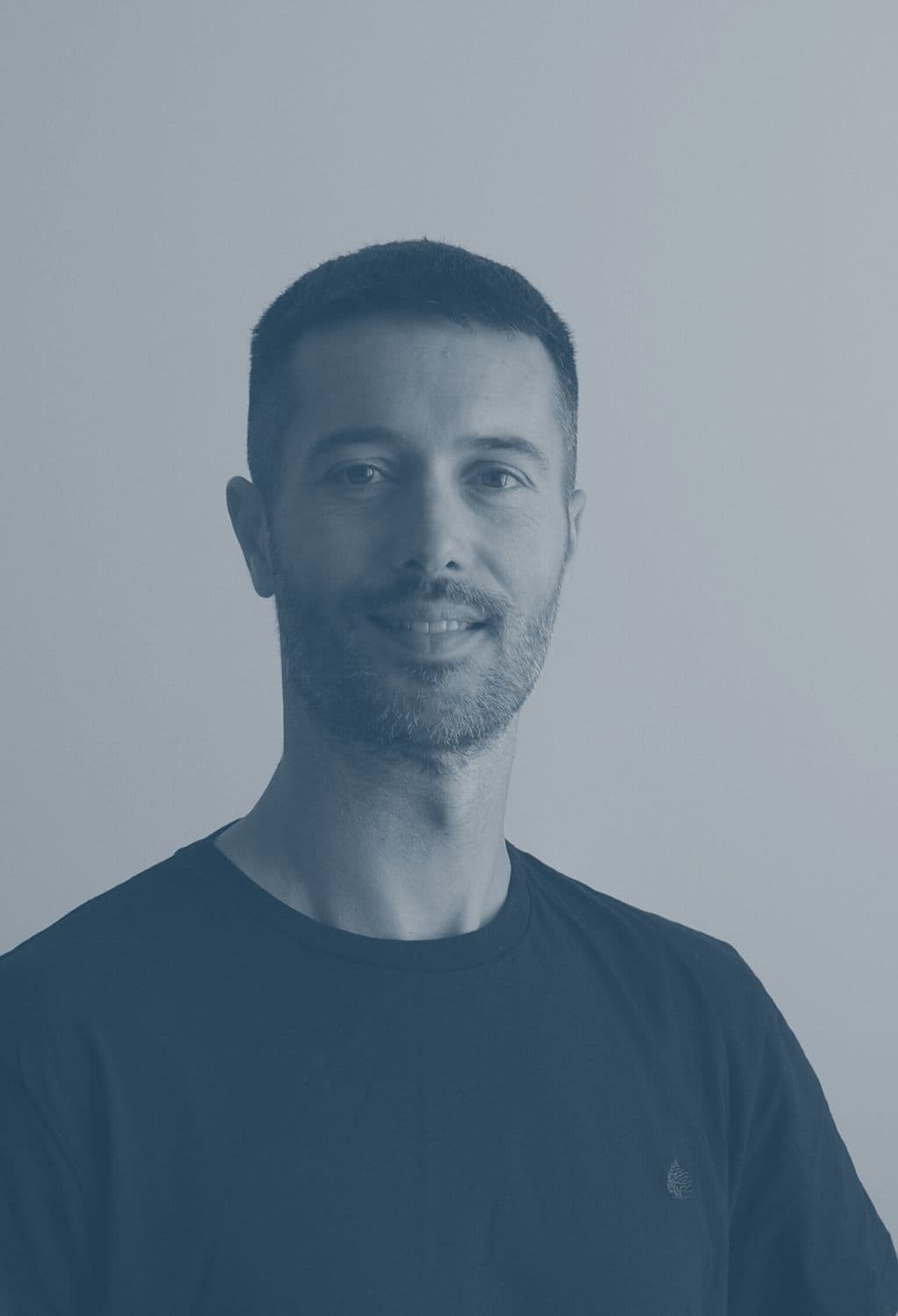
I’m Nikola, a Feldenkrais practitioner, a somatic coach and an Aletheia coach.
Ten years ago I left IT. From the outside it was a good career, and I was climbing and ticking the boxes, but inside I felt completely disconnected from myself, as if I were living someone else’s idea of success.
So I started looking, through spiritual practices, self-help books and therapy, from the West and the East. Each gave me something, yet none of it really stuck, because I was still looking for answers outside myself.
Contact Improvisation changed that. While dancing, I stopped trying to figure out how to be present and simply was, in my body and in the moment. From there I went deep into somatic work: four years of Feldenkrais training, somatic coaching, and later craniosacral work.
The body work changed a lot, but the old patterns were still running underneath: avoiding discomfort, chasing the next good feeling, and protecting myself in ways I didn’t understand. When I found Aletheia, I could finally see them, and I could feel what is there when they quiet down, qualities that had been there all along.
Today I live between Serbia and Southeast Asia and work with people online. This work makes more sense to me than the career ladder ever did.
Let’s talk
I’d like to hear what brings you here.
In a free 20-minute call on Zoom:
- You tell me what’s going on for you right now
- You ask anything about how sessions work
- We decide together whether to continue